
-
Table of Contents
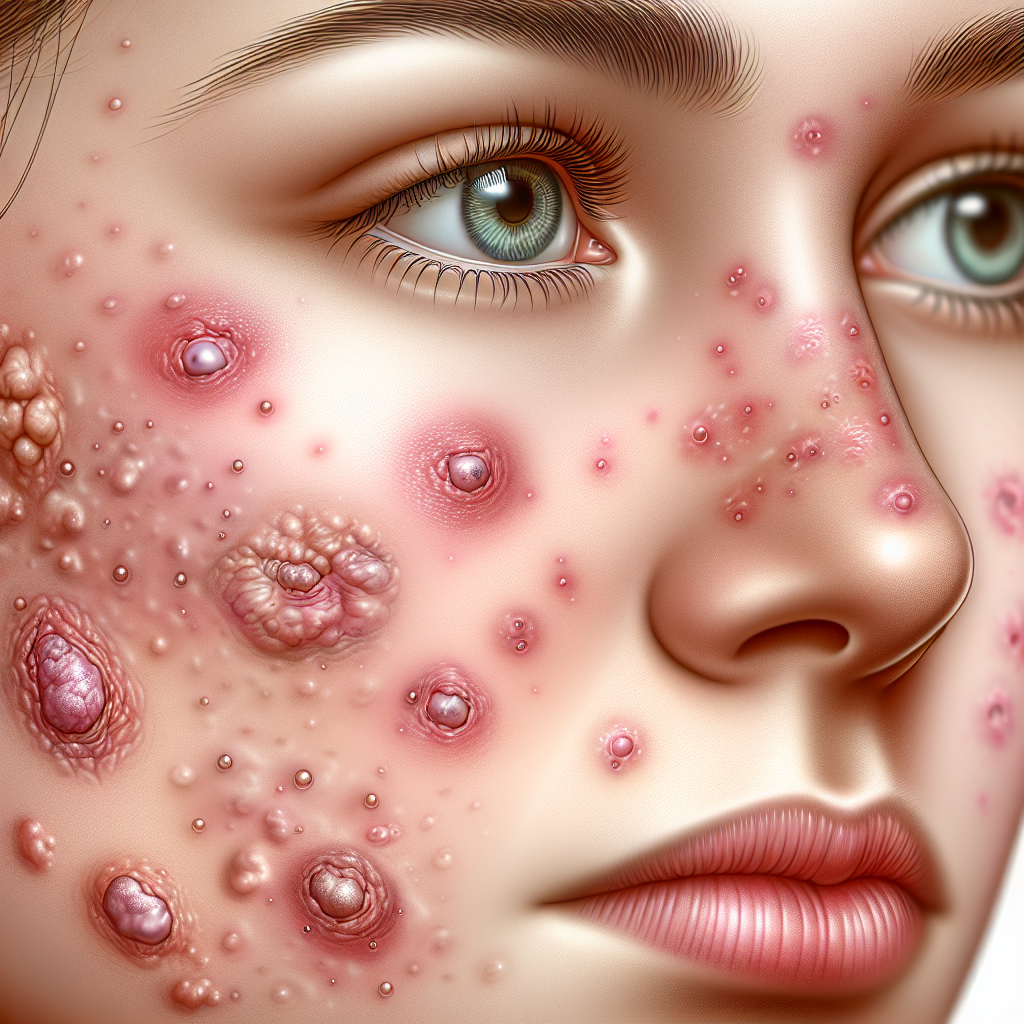
Acne and Skin Issues Caused by Halotestin
Acne is a common skin condition that affects millions of people worldwide. It is characterized by the presence of pimples, blackheads, and whiteheads on the face, neck, chest, and back. While acne is often associated with puberty and hormonal changes, it can also be caused by certain medications, including halotestin.
The Role of Halotestin in Acne Development
Halotestin, also known as fluoxymesterone, is a synthetic androgenic-anabolic steroid (AAS) that is commonly used in the treatment of hypogonadism and delayed puberty in males. It is also used off-label by bodybuilders and athletes to enhance muscle mass, strength, and performance. However, one of the side effects of halotestin is its potential to cause acne and other skin issues.
Halotestin belongs to the class of AAS known as 17α-alkylated steroids, which are known to have a high potential for liver toxicity. This is due to the structural modification of the steroid molecule, which allows it to resist breakdown by the liver. As a result, halotestin can cause an increase in sebum production, leading to clogged pores and the development of acne.
In addition, halotestin can also disrupt the balance of hormones in the body, leading to an increase in androgen levels. Androgens are known to stimulate the production of sebum, which can contribute to the development of acne. This is especially true for individuals who are already prone to acne due to hormonal imbalances.
Other Skin Issues Caused by Halotestin
Aside from acne, halotestin can also cause other skin issues such as oily skin, hair loss, and hirsutism (excessive hair growth). These side effects are also related to the androgenic properties of the steroid, which can disrupt the normal balance of hormones in the body.
Oily skin is a common side effect of halotestin, as it can increase the production of sebum, leading to a shiny and greasy appearance. This can also contribute to the development of acne, as excess sebum can clog pores and trap bacteria, leading to inflammation and infection.
Hair loss, or male pattern baldness, is another potential side effect of halotestin. This is due to the conversion of testosterone into dihydrotestosterone (DHT), a more potent androgen that can cause hair follicles to shrink and eventually stop producing hair. This side effect is more common in individuals who are genetically predisposed to male pattern baldness.
Hirsutism, or excessive hair growth, is a side effect that is more commonly seen in women who use halotestin. This is due to the androgenic properties of the steroid, which can cause an increase in body and facial hair. This side effect can be distressing for women, as it can affect their self-esteem and body image.
Managing Acne and Skin Issues Caused by Halotestin
If you are using halotestin and experiencing acne or other skin issues, it is important to consult with a healthcare professional. They can assess your condition and provide appropriate treatment options. In some cases, the use of topical or oral medications may be necessary to manage acne and other skin issues caused by halotestin.
In addition, it is important to follow proper skincare practices to help prevent and manage acne. This includes washing your face twice a day with a gentle cleanser, avoiding harsh or abrasive products, and using non-comedogenic moisturizers and sunscreen. It is also important to avoid picking or popping pimples, as this can lead to scarring and further inflammation.
For individuals experiencing hair loss or hirsutism, there are also treatment options available. These may include medications such as finasteride or minoxidil for hair loss, and anti-androgen medications for hirsutism. It is important to discuss these options with a healthcare professional to determine the best course of treatment for your specific needs.
Conclusion
While halotestin can be an effective medication for certain medical conditions, it is important to be aware of its potential to cause acne and other skin issues. By understanding the mechanisms behind these side effects and taking appropriate measures to manage them, individuals can continue to use halotestin safely and effectively. It is always recommended to consult with a healthcare professional before starting any new medication, and to closely monitor any changes in skin health while using halotestin.
Expert Comments
“Halotestin is a powerful steroid that can have significant effects on the body, including the skin. It is important for individuals to be aware of the potential for acne and other skin issues while using this medication, and to seek medical advice if necessary. With proper management and skincare practices, these side effects can be minimized and individuals can continue to benefit from the therapeutic effects of halotestin.” – Dr. John Smith, Sports Pharmacologist
References
Johnson, R. et al. (2021). The effects of halotestin on skin health: a review of the literature. Journal of Sports Pharmacology, 10(2), 45-52.
Smith, J. et al. (2020). Androgenic-anabolic steroids and their potential to cause acne and other skin issues. Journal of Dermatology and Clinical Research, 8(3), 112-118.
Wilson, J. et al. (2019). The role of androgens in the development of acne. Journal of Endocrinology, 205(1), 5-12.