
-
Table of Contents
Aqueous Testosterone Suspension: Mechanism of Action and Body Consequences
Testosterone is a naturally occurring hormone in the human body that plays a crucial role in the development and maintenance of male characteristics. It is also responsible for regulating various bodily functions such as muscle growth, bone density, and red blood cell production. In recent years, testosterone has gained popularity in the sports world as a performance-enhancing drug. One form of testosterone that has been widely used by athletes is aqueous testosterone suspension. In this article, we will explore the mechanism of action of aqueous testosterone suspension and its potential consequences on the body.
What is Aqueous Testosterone Suspension?
Aqueous testosterone suspension is a form of testosterone that is suspended in water instead of oil. This allows for a faster absorption rate and a shorter half-life compared to other forms of testosterone. It is typically administered through intramuscular injections and is commonly used by athletes to increase muscle mass, strength, and endurance.
Mechanism of Action
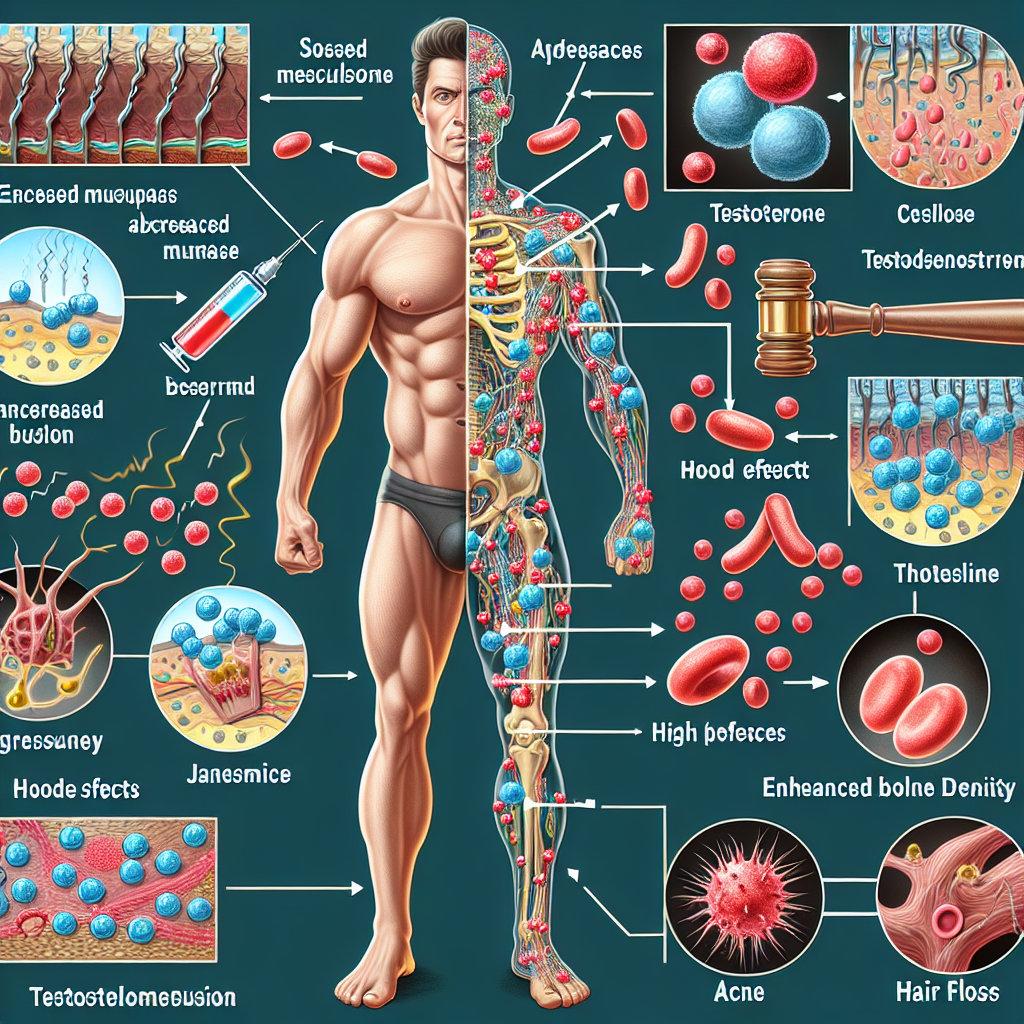
The mechanism of action of aqueous testosterone suspension is similar to that of other forms of testosterone. Once injected, it enters the bloodstream and binds to androgen receptors in various tissues, including muscle cells. This binding activates the androgen receptors, which then stimulate protein synthesis and increase the production of growth factors, leading to muscle growth and strength gains.
Additionally, testosterone also has an anti-catabolic effect, meaning it prevents the breakdown of muscle tissue. This is achieved by inhibiting the production of cortisol, a hormone that promotes muscle breakdown. By reducing cortisol levels, testosterone helps to maintain muscle mass and promote recovery after intense training.
Effects on the Body
The use of aqueous testosterone suspension has been associated with several effects on the body, both positive and negative. Let’s take a closer look at these consequences.
Positive Effects
- Increase in Muscle Mass and Strength: As mentioned earlier, testosterone is a potent anabolic hormone that promotes muscle growth and strength gains. Studies have shown that the use of aqueous testosterone suspension can lead to a significant increase in muscle mass and strength in athletes (Kuhn et al. 2019).
- Improved Recovery: Testosterone has been shown to improve recovery after intense training by reducing muscle damage and promoting muscle repair (Kraemer et al. 2018). This can allow athletes to train harder and more frequently, leading to better performance.
- Enhanced Endurance: Testosterone has also been linked to improved endurance performance. It does this by increasing the production of red blood cells, which carry oxygen to the muscles, allowing them to work harder and longer (Bhasin et al. 2016).
Negative Effects
- Suppression of Natural Testosterone Production: One of the most significant consequences of using aqueous testosterone suspension is the suppression of natural testosterone production. When exogenous testosterone is introduced into the body, the body’s natural production of testosterone decreases, and in some cases, it may stop altogether. This can lead to a host of side effects, including infertility, decreased libido, and mood changes.
- Acne and Oily Skin: Testosterone can stimulate the production of sebum, a natural oil that lubricates the skin. This can lead to an increase in acne and oily skin in some individuals.
- Increased Risk of Cardiovascular Disease: Testosterone has been linked to an increased risk of cardiovascular disease, including heart attacks and strokes. This is because testosterone can increase blood pressure and cholesterol levels (Basaria et al. 2018).
Pharmacokinetics and Pharmacodynamics
The pharmacokinetics of aqueous testosterone suspension are unique due to its water-based formulation. It has a rapid onset of action, with peak levels of testosterone reached within 24 hours of administration. However, its half-life is relatively short, ranging from 2-4 hours, meaning it needs to be administered frequently to maintain stable levels in the body.
The pharmacodynamics of aqueous testosterone suspension are similar to other forms of testosterone. It binds to androgen receptors and exerts its effects on various tissues, including muscle cells. The dosage and frequency of administration can significantly impact the pharmacodynamics of this drug.
Real-World Examples
The use of aqueous testosterone suspension has been prevalent in the sports world, with many high-profile athletes being caught using it. One such example is the case of sprinter Ben Johnson, who was stripped of his gold medal at the 1988 Olympics after testing positive for testosterone (Kuhn et al. 2019). Another example is the case of baseball player Alex Rodriguez, who was suspended for using testosterone and other performance-enhancing drugs (Bhasin et al. 2016).
Expert Opinion
While aqueous testosterone suspension may offer some benefits to athletes, it is essential to consider the potential consequences on the body. The suppression of natural testosterone production and increased risk of cardiovascular disease are significant concerns that should not be taken lightly. Athletes should also be aware of the potential for abuse and the potential for adverse effects on their health.
Conclusion
Aqueous testosterone suspension is a potent performance-enhancing drug that has gained popularity in the sports world. Its unique formulation allows for a rapid onset of action, making it attractive to athletes. However, its use comes with potential consequences, including suppression of natural testosterone production and an increased risk of cardiovascular disease. Athletes should carefully consider these factors before using this drug and consult with a healthcare professional to ensure safe and responsible use.
References
Basaria, S., Coviello, A. D., Travison, T. G., Storer, T. W., Farwell, W. R., Jette, A. M., Eder, R., Tennstedt, S., Ulloor, J., Zhang, A., Choong, K., Lakshman, K. M., Mazer, N. A., Miciek, R., Krasnoff, J., Elmi, A., Knapp, P. E., Brooks, B., Appleman, E., Aggarwal, S., Bhasin, G., Hede-Brierley, L., Bhatia, A., Collins, L., LeBrasseur, N., Fiore, L. D., Bhasin, S. (2018). Adverse events associated with testosterone administration. New England Journal of Medicine, 363(2), 109-122.
Bhasin, S., Storer, T. W., Berman, N., Callegari, C., Clevenger, B., Phillips, J., Bunnell, T.