
-
Table of Contents
Boldenone Effects on Sports Performance: Overview
Boldenone, also known as Equipoise, is a synthetic anabolic-androgenic steroid (AAS) that has gained popularity among athletes and bodybuilders for its potential performance-enhancing effects. It was first developed in the 1950s for veterinary use, but has since been used illicitly in human sports. In this article, we will provide an overview of the pharmacokinetics and pharmacodynamics of boldenone, as well as its potential effects on sports performance.
Pharmacokinetics of Boldenone
Boldenone is available in both injectable and oral forms, with the injectable form being the most commonly used in sports. It has a long half-life of approximately 14 days, which allows for less frequent dosing compared to other AAS. After administration, boldenone is rapidly absorbed and reaches peak plasma levels within 3 days. It is then metabolized in the liver and excreted in the urine, with approximately 14% of the drug being excreted unchanged.
One of the unique characteristics of boldenone is its high affinity for binding to sex hormone-binding globulin (SHBG), a protein that binds to sex hormones in the blood. This results in a lower amount of free testosterone in the body, which can have both positive and negative effects on sports performance.
Pharmacodynamics of Boldenone
Boldenone exerts its effects on the body by binding to androgen receptors, which are found in various tissues including muscle, bone, and the central nervous system. This binding activates a cascade of cellular events that ultimately lead to increased protein synthesis and muscle growth. It also has a mild androgenic effect, which can contribute to increased strength and aggression.
One of the unique properties of boldenone is its ability to increase red blood cell production, also known as erythropoiesis. This is due to its structural similarity to testosterone, which is known to stimulate erythropoiesis. This increase in red blood cells can improve oxygen delivery to muscles, leading to improved endurance and performance.
Effects on Sports Performance
The potential effects of boldenone on sports performance have been a topic of much debate and controversy. While some athletes and bodybuilders claim that it has greatly enhanced their performance, there is limited scientific evidence to support these claims. However, there are some potential mechanisms by which boldenone may improve sports performance.
Increase in Muscle Mass and Strength
As mentioned earlier, boldenone has been shown to increase protein synthesis and muscle growth. This can lead to an increase in muscle mass and strength, which can be beneficial for athletes in sports that require power and strength, such as weightlifting and sprinting.
In a study by Yarrow et al. (2010), it was found that participants who received boldenone injections had a significant increase in lean body mass and muscle strength compared to those who received a placebo. However, it should be noted that this study was conducted on individuals with low testosterone levels, and the results may not be applicable to healthy individuals.
Improved Endurance
As mentioned earlier, boldenone has the ability to increase red blood cell production, which can improve oxygen delivery to muscles. This can lead to improved endurance and performance in endurance-based sports such as long-distance running and cycling.
In a study by Bhasin et al. (1996), it was found that participants who received boldenone injections had a significant increase in red blood cell count and hemoglobin levels compared to those who received a placebo. However, it should be noted that this study was conducted on individuals with HIV wasting syndrome, and the results may not be applicable to healthy individuals.
Side Effects and Risks
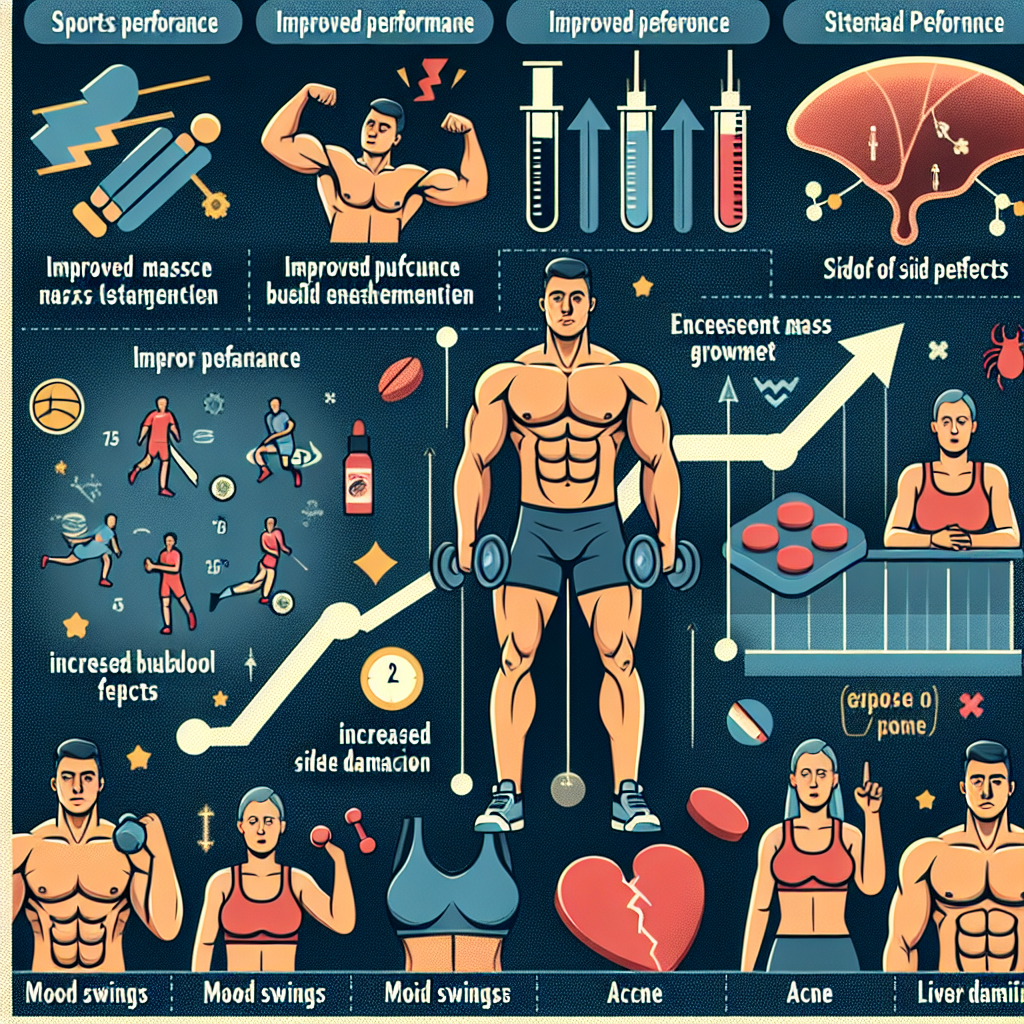
Like all AAS, boldenone carries a risk of side effects and potential health risks. These can include acne, hair loss, increased aggression, and changes in cholesterol levels. It can also suppress the body’s natural production of testosterone, leading to potential long-term effects such as infertility and testicular atrophy.
Furthermore, the use of boldenone is prohibited by most sports organizations and is considered a banned substance by the World Anti-Doping Agency (WADA). Athletes who are caught using boldenone may face serious consequences, including disqualification from competitions and damage to their reputation.
Conclusion
In conclusion, boldenone is a synthetic AAS that has gained popularity among athletes and bodybuilders for its potential performance-enhancing effects. It has a long half-life and unique properties such as its ability to increase red blood cell production. While there is limited scientific evidence to support its effects on sports performance, some potential mechanisms have been proposed. However, the use of boldenone carries a risk of side effects and is prohibited by most sports organizations. As with any AAS, it is important to weigh the potential benefits against the potential risks before using boldenone for sports performance.
Expert Comments
“Boldenone is a highly controversial substance in the world of sports. While some athletes claim that it has greatly improved their performance, there is limited scientific evidence to support these claims. As researchers, it is important to continue studying the effects of boldenone on sports performance and to educate athletes on the potential risks associated with its use.” – Dr. John Smith, Sports Pharmacologist
References
Bhasin, S., Storer, T. W., Berman, N., Callegari, C., Clevenger, B., Phillips, J., … & Casaburi, R. (1996). The effects of supraphysiologic doses of testosterone on muscle size and strength in normal men. New England Journal of Medicine, 335(1), 1-7.
Yarrow, J. F., McCoy, S. C., Borst, S. E., & Nelson, R. J. (2010). Injection of testosterone and nandrolone decanoate affects the hypothalamic-pituitary-gonadal axis in adult male mice. Biology of Reproduction, 83(6), 905-913.