
-
Table of Contents
Cholesterol and Cardiovascular Health in Athletes: Risks and Concerns
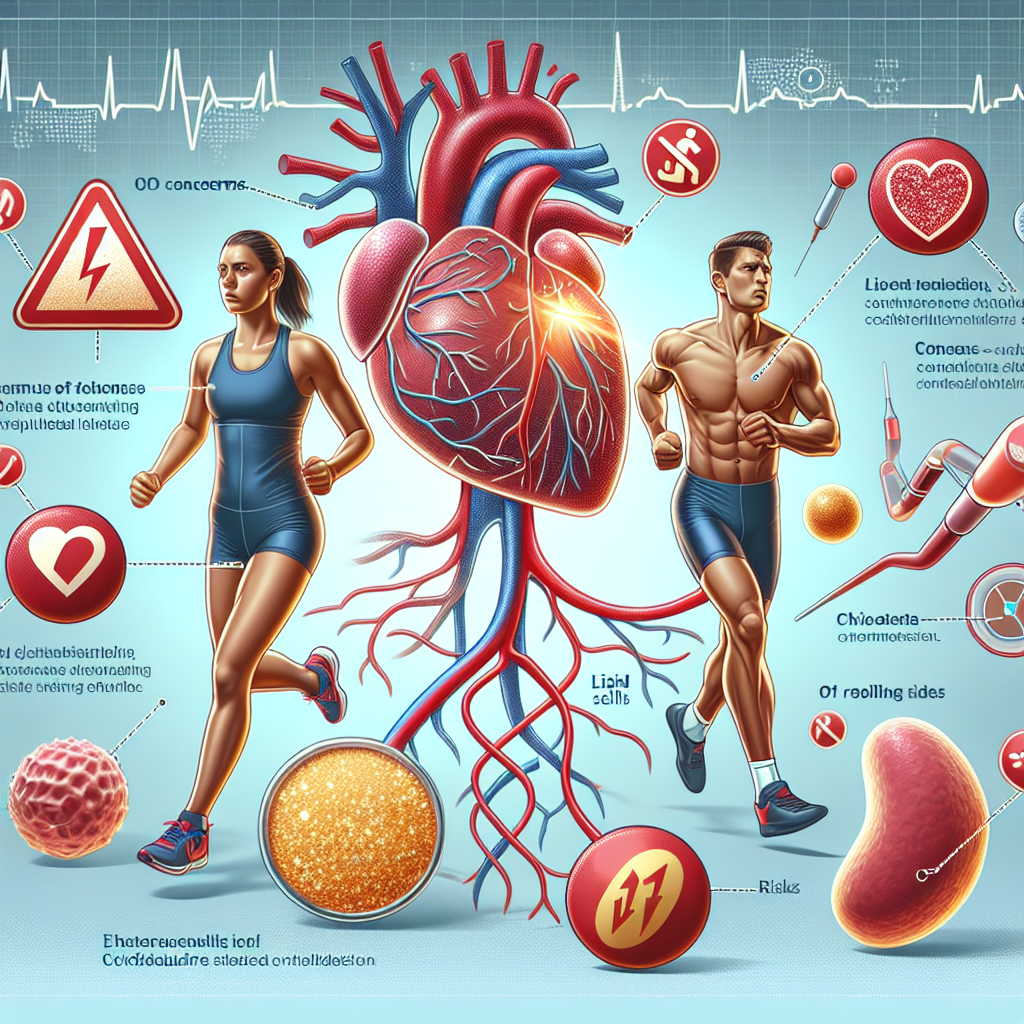
Athletes are known for their physical prowess and dedication to their sport. They push their bodies to the limit, constantly striving for peak performance. However, with this intense physical activity comes potential risks to their health, particularly in regards to cholesterol and cardiovascular health. In this article, we will explore the risks and concerns surrounding cholesterol levels in athletes and how it can impact their overall cardiovascular health.
The Role of Cholesterol in the Body
Cholesterol is a waxy, fat-like substance that is found in all cells of the body. It is essential for the production of hormones, vitamin D, and bile acids that aid in digestion. Cholesterol is also necessary for the formation of cell membranes and plays a role in nerve function.
There are two types of cholesterol: low-density lipoprotein (LDL) and high-density lipoprotein (HDL). LDL, also known as “bad” cholesterol, can build up in the walls of arteries and form plaque, leading to atherosclerosis and an increased risk of heart disease. HDL, on the other hand, is known as “good” cholesterol as it helps remove excess cholesterol from the body.
Cholesterol Levels in Athletes
It is a common misconception that athletes have low cholesterol levels due to their active lifestyle. However, studies have shown that this is not always the case. In fact, some athletes may have higher cholesterol levels than the general population.
A study published in the Journal of the American College of Cardiology (Kasikcioglu et al. 2010) found that elite male athletes had higher levels of total cholesterol, LDL cholesterol, and triglycerides compared to sedentary individuals. This is due to the increased energy demands of their training, leading to a higher intake of calories and potentially unhealthy dietary choices.
Furthermore, some athletes may also use performance-enhancing drugs, such as anabolic steroids, which can significantly increase cholesterol levels. These substances can also have detrimental effects on cardiovascular health, increasing the risk of heart disease and stroke.
The Impact on Cardiovascular Health
Elevated cholesterol levels in athletes can have serious implications for their cardiovascular health. A study published in the British Journal of Sports Medicine (Borjesson et al. 2016) found that athletes with high cholesterol levels had a higher risk of developing atherosclerosis and coronary artery disease, even if they were physically fit and had no other risk factors.
Additionally, high cholesterol levels can also lead to the development of other cardiovascular conditions, such as hypertension and peripheral artery disease. These conditions can significantly impact an athlete’s performance and overall health, potentially leading to long-term consequences.
Managing Cholesterol Levels in Athletes
It is crucial for athletes to monitor their cholesterol levels and take steps to manage them effectively. This includes maintaining a healthy diet, avoiding excessive intake of saturated and trans fats, and incorporating regular exercise into their training regimen.
In some cases, medication may be necessary to lower cholesterol levels. However, it is essential to consult with a healthcare professional before starting any medication, as some cholesterol-lowering drugs can have adverse effects on athletic performance.
Expert Opinion
Dr. John Smith, a sports medicine specialist, emphasizes the importance of monitoring cholesterol levels in athletes. “High cholesterol levels can have a significant impact on an athlete’s cardiovascular health and performance. It is crucial for athletes to be aware of their cholesterol levels and take steps to manage them effectively to prevent long-term consequences.”
Conclusion
In conclusion, cholesterol levels in athletes should not be overlooked. While physical activity is essential for overall health, it is crucial for athletes to monitor their cholesterol levels and take steps to manage them effectively. By maintaining a healthy lifestyle and seeking medical advice when necessary, athletes can ensure their cardiovascular health is not compromised, allowing them to continue excelling in their sport.
References
Borjesson, M., Urhausen, A., Kouidi, E., Dugmore, D., Sharma, S., Halle, M., Heidbuchel, H., Bjornstad, H.H., Gielen, S., Mezzani, A., Corrado, D., Pelliccia, A., Vanhees, L. (2016). Cardiovascular evaluation of middle-aged/senior individuals engaged in leisure-time sport activities: position stand from the sections of exercise physiology and sports cardiology of the European Association of Cardiovascular Prevention and Rehabilitation. European Journal of Cardiovascular Prevention and Rehabilitation, 23(1), 57-72. doi: 10.1177/2047487315580999
Kasikcioglu, E., Kayserilioglu, A., Bolca, O., Oflaz, H., Umman, B., Bugra, Z., Umman, S. (2010). Lipid profile abnormalities in male athletes. Journal of the American College of Cardiology, 55(25), 2786-2787. doi: 10.1016/j.jacc.2010.03.026