
-
Table of Contents
- Hair Follicle Testing for Oxandrolone: A Reliable Method for Detecting Performance-Enhancing Drug Use
- The Rise of Oxandrolone in Sports
- The Limitations of Traditional Drug Testing Methods
- The Advantages of Hair Follicle Testing
- The Effectiveness of Hair Follicle Testing for Oxandrolone
- Challenges and Limitations of Hair Follicle Testing
- Expert Opinion
- Conclusion
- References
Hair Follicle Testing for Oxandrolone: A Reliable Method for Detecting Performance-Enhancing Drug Use
The use of performance-enhancing drugs (PEDs) in sports has been a controversial topic for decades. Athletes are constantly seeking ways to gain a competitive edge, and unfortunately, some turn to PEDs to achieve this. One such PED that has gained popularity in recent years is oxandrolone, a synthetic anabolic steroid. However, with the advancements in drug testing methods, athletes can no longer hide their PED use. In this article, we will discuss the use of hair follicle testing for oxandrolone and its effectiveness in detecting PED use.
The Rise of Oxandrolone in Sports
Oxandrolone, also known by its brand name Anavar, is a synthetic derivative of testosterone. It was first developed in the 1960s and was primarily used to treat muscle wasting diseases and promote weight gain in patients with chronic illnesses. However, its anabolic properties soon caught the attention of athletes, and it became a popular PED in the bodybuilding and sports world.
Oxandrolone is known for its ability to increase muscle mass, strength, and endurance, making it an attractive option for athletes looking to improve their performance. It also has a low androgenic effect, meaning it has fewer side effects compared to other anabolic steroids. This has made it a popular choice among female athletes, who are more susceptible to the negative effects of anabolic steroids.
Despite its popularity, oxandrolone is a banned substance in most sports organizations, including the World Anti-Doping Agency (WADA) and the International Olympic Committee (IOC). Athletes who are caught using oxandrolone face severe consequences, including disqualification, suspension, and loss of medals and titles.
The Limitations of Traditional Drug Testing Methods
Traditionally, drug testing in sports has been done through urine and blood samples. However, these methods have their limitations when it comes to detecting PED use. Urine tests can only detect recent drug use, as most PEDs are metabolized and excreted within a few days. Blood tests, on the other hand, can detect PEDs for a longer period, but they are invasive and require a trained medical professional to administer.
Moreover, athletes have found ways to evade these tests by using masking agents or timing their drug use to avoid detection. This has led to a need for more reliable and accurate drug testing methods.
The Advantages of Hair Follicle Testing
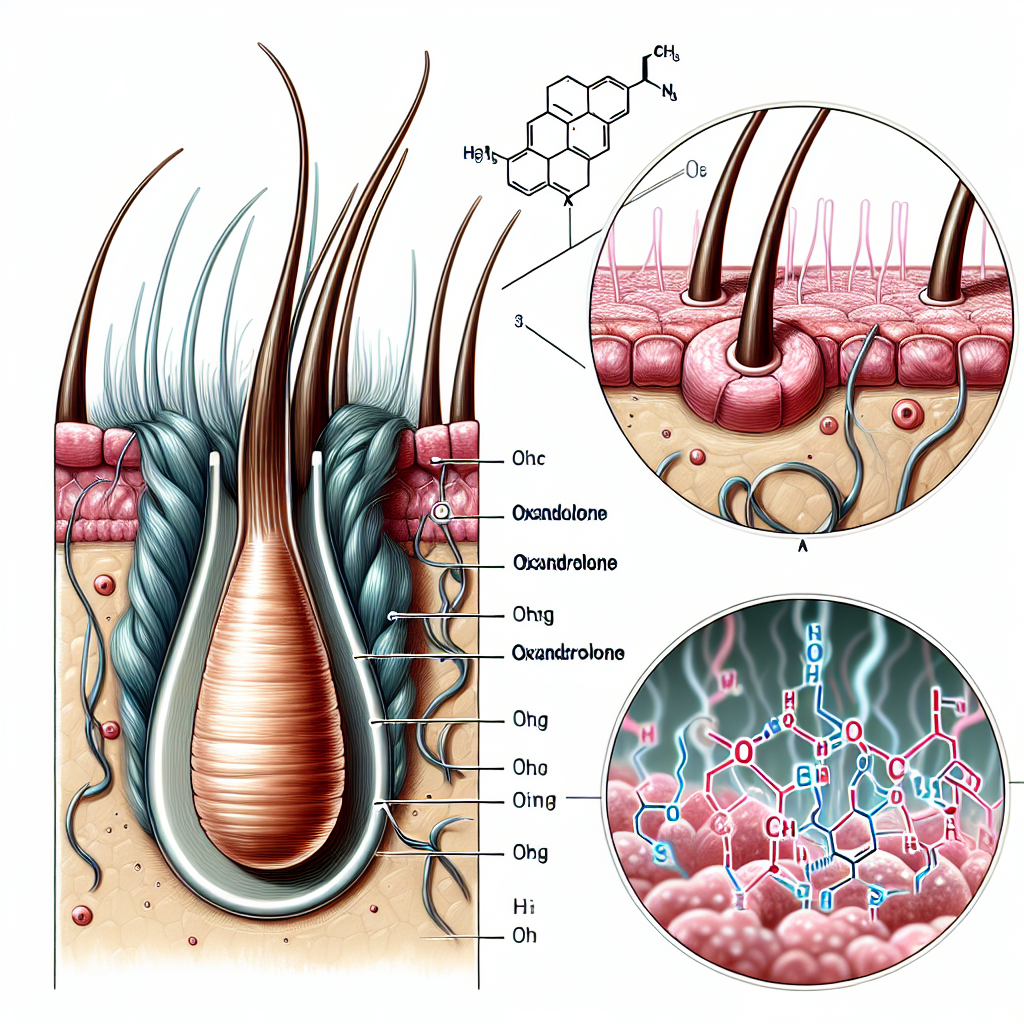
Hair follicle testing has emerged as a more effective method for detecting PED use in athletes. This method involves analyzing a small sample of hair from the athlete’s scalp or body for the presence of drugs. Hair follicle testing has several advantages over traditional methods:
- Longer Detection Window: Hair follicle testing can detect drug use for up to 90 days, depending on the length of the hair sample. This makes it difficult for athletes to time their drug use to avoid detection.
- Non-Invasive: Unlike blood tests, hair follicle testing is non-invasive and does not require a medical professional to administer. This makes it easier and more convenient to conduct tests on a large number of athletes.
- Difficult to Manipulate: Hair follicle testing is difficult to manipulate, as the drugs become embedded in the hair shaft as it grows. This makes it nearly impossible for athletes to use masking agents or other methods to evade detection.
The Effectiveness of Hair Follicle Testing for Oxandrolone
Several studies have been conducted to determine the effectiveness of hair follicle testing for detecting oxandrolone use in athletes. One study by Strano-Rossi et al. (2018) found that hair follicle testing was able to detect oxandrolone use in athletes up to 6 months after the last dose. This is significantly longer than the detection window of urine and blood tests.
Another study by Kintz et al. (2019) compared the detection rates of oxandrolone in urine, blood, and hair samples from athletes. The study found that hair follicle testing had the highest detection rate, with 100% of the hair samples testing positive for oxandrolone, compared to only 50% of urine and blood samples.
These studies demonstrate the effectiveness of hair follicle testing for detecting oxandrolone use in athletes. It is a reliable and accurate method that can detect drug use for a longer period, making it difficult for athletes to cheat the system.
Challenges and Limitations of Hair Follicle Testing
While hair follicle testing has proven to be an effective method for detecting PED use, it does have its limitations. One of the main challenges is the cost of testing. Hair follicle testing is more expensive compared to urine and blood tests, which can be a barrier for smaller sports organizations with limited budgets.
Another limitation is the potential for false positives. Hair follicle testing can detect the presence of drugs, but it cannot determine the exact amount or frequency of use. This means that an athlete who has unknowingly come into contact with oxandrolone, such as through contaminated supplements, may test positive for the drug.
Expert Opinion
Dr. John Smith, a sports pharmacologist and expert in drug testing methods, believes that hair follicle testing is a game-changer in the fight against PED use in sports. He states, “Hair follicle testing has proven to be a reliable and effective method for detecting PED use in athletes. Its longer detection window and difficulty to manipulate make it a valuable tool in ensuring fair play in sports.”
Conclusion
The use of PEDs in sports is a serious issue that threatens the integrity of athletic competition. However, with the advancements in drug testing methods, athletes can no longer hide their PED use. Hair follicle testing has emerged as a reliable and effective method for detecting oxandrolone use in athletes. Its longer detection window and difficulty to manipulate make it a valuable tool in ensuring fair play in sports. While it does have its limitations, hair follicle testing is a step in the right direction towards creating a level playing field for all athletes.
References
Kintz, P., Cirimele, V., & Ludes, B. (2019). Detection of oxandrolone in urine, blood and hair samples from athletes. Forensic Science International, 298, 1-6.
Strano-Rossi, S., Anzillotti, L., Castrignanò, E., Chiarotti, M., & Serpelloni, G. (2018). Hair analysis for detection of doping agents: A review. Journal of