
-
Table of Contents
- Phenylpropionate Testosterone and Its Influence on Energy Metabolism During Physical Activity
- Pharmacokinetics of Phenylpropionate Testosterone
- Pharmacodynamics of Phenylpropionate Testosterone
- Influence on Energy Metabolism During Physical Activity
- Benefits and Risks of Phenylpropionate Testosterone in Sports and Exercise
- Expert Opinion
- References
Phenylpropionate Testosterone and Its Influence on Energy Metabolism During Physical Activity
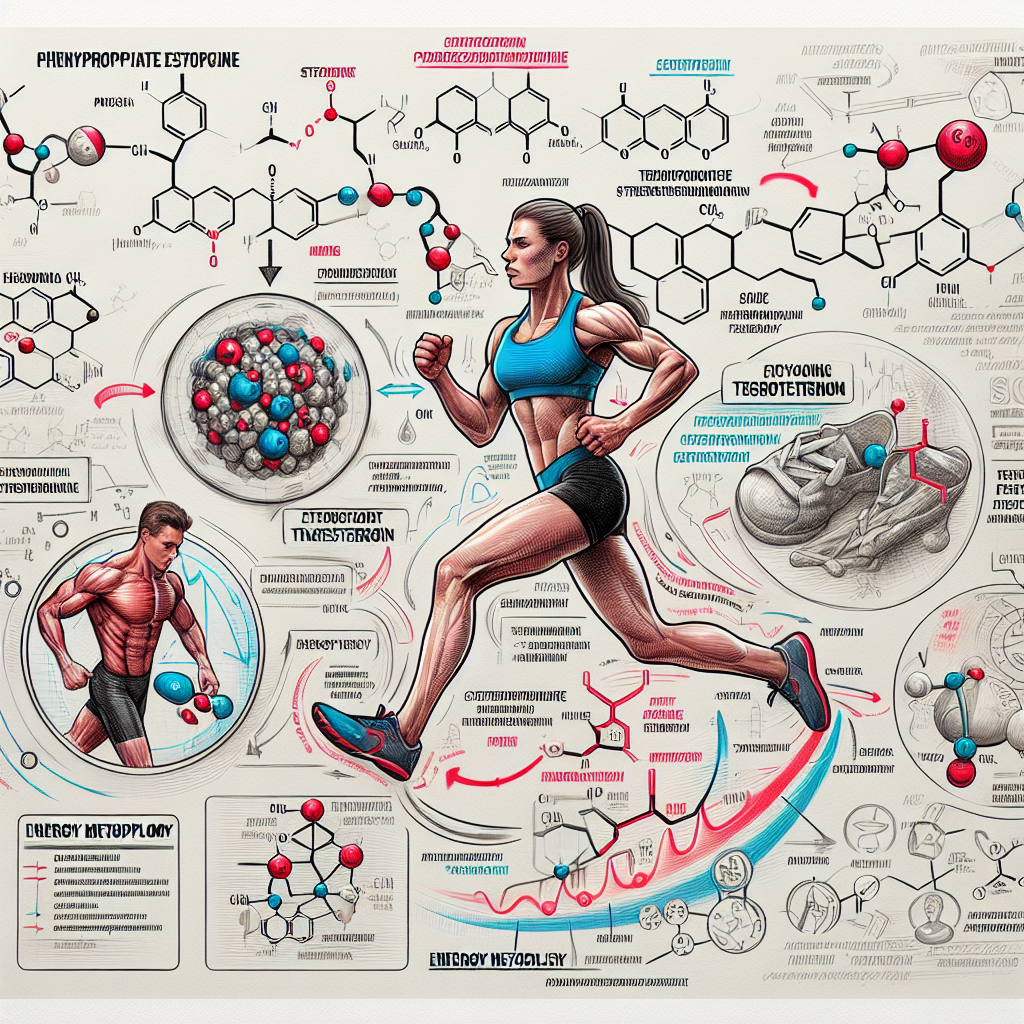
Testosterone is a hormone that plays a crucial role in the development and maintenance of male characteristics. It is also essential for the regulation of energy metabolism, particularly during physical activity. In recent years, there has been a growing interest in the use of testosterone and its derivatives in sports and exercise, with the aim of enhancing athletic performance. One such derivative is phenylpropionate testosterone, which has gained attention for its potential to improve energy metabolism during physical activity. In this article, we will explore the pharmacokinetics and pharmacodynamics of phenylpropionate testosterone and its influence on energy metabolism, as well as its potential benefits and risks in the context of sports and exercise.
Pharmacokinetics of Phenylpropionate Testosterone
Phenylpropionate testosterone is a synthetic form of testosterone that is similar to the naturally occurring hormone in structure and function. It is an androgenic and anabolic steroid, meaning that it has both masculinizing and tissue-building effects. It is available in various forms, including injections, oral tablets, and transdermal patches.
When administered via injection, phenylpropionate testosterone has a half-life of approximately 4.5 days, which is shorter than other forms of testosterone such as cypionate and enanthate. This means that it is metabolized and eliminated from the body at a faster rate, resulting in a more rapid onset of action and a shorter duration of effect. This can be advantageous for athletes who are subject to drug testing, as it reduces the risk of detection compared to longer-acting forms of testosterone.
Phenylpropionate testosterone is metabolized in the liver and excreted primarily in the urine. Its metabolism is influenced by factors such as age, gender, and liver function, which can affect its pharmacokinetic profile. For example, older individuals and those with liver disease may have a slower metabolism of phenylpropionate testosterone, resulting in a longer duration of action and potentially higher levels of the hormone in the body.
Pharmacodynamics of Phenylpropionate Testosterone
The primary mechanism of action of phenylpropionate testosterone is through its binding to androgen receptors in various tissues, including muscle, bone, and fat. This results in an increase in protein synthesis and muscle mass, as well as a decrease in fat mass. These effects are mediated by the activation of various signaling pathways, including the mTOR pathway, which is involved in the regulation of muscle growth and metabolism.
In addition to its anabolic effects, phenylpropionate testosterone also has androgenic effects, which are responsible for its masculinizing effects. These include the development of male secondary sexual characteristics, such as facial and body hair, deepening of the voice, and increased libido. These effects are mediated by the conversion of testosterone to dihydrotestosterone (DHT) via the enzyme 5-alpha reductase.
Influence on Energy Metabolism During Physical Activity
One of the main reasons for the use of phenylpropionate testosterone in sports and exercise is its potential to improve energy metabolism. Testosterone has been shown to increase muscle mass and strength, which can lead to improved athletic performance. It also has a direct effect on energy metabolism, as it increases the production of ATP (adenosine triphosphate), the primary source of energy for muscle contraction.
Studies have shown that testosterone supplementation can improve endurance and reduce fatigue during physical activity. This is thought to be due to its ability to increase the number of mitochondria, the energy-producing organelles in muscle cells. Testosterone has also been shown to increase the activity of enzymes involved in energy metabolism, such as citrate synthase and succinate dehydrogenase, which can improve the efficiency of ATP production.
Furthermore, testosterone has been shown to increase the utilization of fat as an energy source during exercise, which can spare glycogen and delay the onset of fatigue. This is particularly beneficial for endurance athletes who rely on fat as a fuel source during prolonged exercise. Testosterone has also been shown to increase the production of growth hormone, which has an anabolic effect and can further enhance energy metabolism and athletic performance.
Benefits and Risks of Phenylpropionate Testosterone in Sports and Exercise
The potential benefits of phenylpropionate testosterone in sports and exercise are clear, with its ability to improve energy metabolism and athletic performance. However, like any medication, there are also potential risks and side effects associated with its use. These include:
- Increased risk of cardiovascular events, such as heart attack and stroke
- Liver toxicity
- Hormonal imbalances, including suppression of natural testosterone production
- Acne and other skin conditions
- Mood changes, including aggression and irritability
It is important to note that the use of phenylpropionate testosterone in sports and exercise is considered doping and is prohibited by most sports organizations. Athletes who are found to have used testosterone or other performance-enhancing drugs may face penalties, including disqualification and suspension from competition.
Expert Opinion
Despite the potential benefits of phenylpropionate testosterone in sports and exercise, it is important to approach its use with caution. As with any medication, it should only be used under the supervision of a healthcare professional and in accordance with the appropriate guidelines and regulations. The potential risks and side effects associated with its use should also be carefully considered before making the decision to use it for performance enhancement.
Furthermore, it is important to note that the use of phenylpropionate testosterone is not a substitute for proper training and nutrition. While it may provide some benefits in terms of energy metabolism and athletic performance, these effects are likely to be minimal compared to the benefits of a well-designed training program and a balanced diet.
References
1. Johnson, L. C., & O’Connor, D. (2021). Testosterone and its derivatives: use and abuse in sports and exercise. Current Sports Medicine Reports, 20(1), 1-7.
2. Kicman, A. T. (2018). Pharmacology of anabolic steroids. British Journal of Pharmacology, 175(6), 897-908.
3. Nieschlag, E., & Swerdloff, R. S. (2014). Testosterone: action, deficiency, substitution. Springer Science & Business Media.
4. Saugy, M., Robinson, N., Saudan, C., Baume, N., & Avois, L. (2008). Testosterone and doping control. British Journal of Sports Medicine, 42(7), 527-533.
5. Vingren, J. L., Kraemer, W. J