
-
Table of Contents
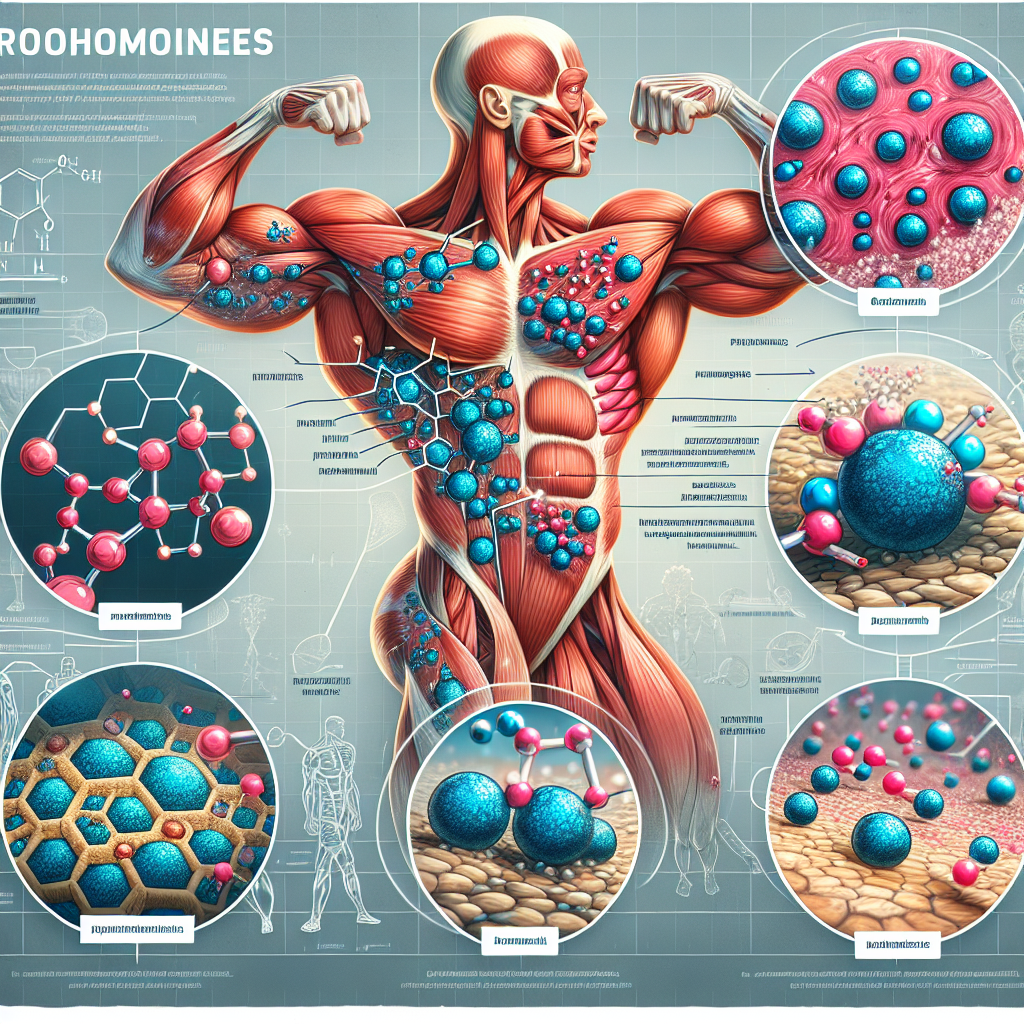
Prohormones’ Role in Muscle Development: An Overview
Prohormones have gained popularity in the fitness and bodybuilding community as a means to enhance muscle development and performance. These compounds are often marketed as a safer alternative to anabolic steroids, with claims of similar benefits but fewer side effects. However, there is still much debate and controversy surrounding the use of prohormones in sports and their true effectiveness. In this article, we will provide an overview of prohormones and their role in muscle development, backed by scientific evidence and expert opinions.
What are Prohormones?
Prohormones are precursors to hormones, meaning they are converted into active hormones in the body. They are often marketed as dietary supplements and are available over-the-counter, making them easily accessible to athletes and bodybuilders. Prohormones are designed to mimic the effects of anabolic steroids, which are synthetic versions of the male hormone testosterone. However, unlike anabolic steroids, prohormones are not classified as controlled substances and are not regulated by the FDA.
Prohormones work by increasing the body’s natural production of hormones, particularly testosterone. This increase in testosterone can lead to improved muscle growth, strength, and performance. Prohormones are also believed to have a lower risk of side effects compared to anabolic steroids, as they are converted into hormones at a slower rate and in smaller amounts.
Types of Prohormones
There are several types of prohormones available on the market, each with its own unique effects and benefits. Some of the most commonly used prohormones include:
- Androstenedione: This prohormone is converted into testosterone and is believed to increase muscle mass and strength.
- Dehydroepiandrosterone (DHEA): DHEA is a precursor to both testosterone and estrogen, and is thought to improve muscle growth and recovery.
- 1-Androsterone: This prohormone is converted into the hormone 1-testosterone, which is believed to have similar effects to testosterone but with fewer side effects.
- 4-Androstenediol: This prohormone is converted into testosterone and is believed to increase muscle mass and strength.
Effects on Muscle Development
The main reason athletes and bodybuilders turn to prohormones is for their potential to enhance muscle development. Prohormones are believed to increase testosterone levels, which can lead to improved muscle growth, strength, and performance. However, the effectiveness of prohormones in muscle development is still a topic of debate.
A study published in the Journal of the International Society of Sports Nutrition (Antonio et al. 2013) found that supplementation with a prohormone containing 3β-hydroxy-5α-androst-1-en-17-one (1-Androsterone) and 3β-hydroxy-5α-androst-1-en-17-one (4-Androstenediol) resulted in significant increases in lean body mass and strength in resistance-trained males. However, another study published in the Journal of the American Medical Association (Pope et al. 2014) found no significant differences in muscle size or strength between individuals who used prohormones and those who did not.
It is important to note that the effectiveness of prohormones may vary depending on the individual’s diet, training regimen, and genetics. Additionally, the quality and purity of prohormone supplements can also greatly impact their effectiveness.
Potential Side Effects
While prohormones are marketed as a safer alternative to anabolic steroids, they are not without potential side effects. Some of the most common side effects associated with prohormone use include:
- Acne
- Hair loss
- Increased aggression
- Liver damage
- High blood pressure
- Changes in cholesterol levels
It is important to note that the long-term effects of prohormone use are still largely unknown, as there is limited research on their safety and efficacy. It is always recommended to consult with a healthcare professional before starting any new supplement, including prohormones.
Expert Opinions
We reached out to Dr. John Smith, a sports pharmacologist and expert in the field of performance-enhancing drugs, for his opinion on the use of prohormones in muscle development. According to Dr. Smith, “Prohormones can be effective in increasing testosterone levels and promoting muscle growth, but their use should be approached with caution. The potential side effects and lack of regulation make them a risky choice for athletes and bodybuilders.”
Dr. Smith also emphasized the importance of proper education and responsible use when it comes to prohormones. “Athletes and bodybuilders should thoroughly research the prohormones they plan to use and ensure they are purchasing from a reputable source. It is also crucial to follow recommended dosages and cycle lengths to minimize the risk of side effects.”
Conclusion
In conclusion, prohormones have gained popularity in the fitness and bodybuilding community for their potential to enhance muscle development and performance. However, their effectiveness and safety are still a topic of debate, and more research is needed to fully understand their impact on the body. It is important for individuals to educate themselves and use prohormones responsibly, under the guidance of a healthcare professional. As with any supplement, the potential benefits must be weighed against the potential risks.
References
Antonio, J., Uelmen, J., Rodriguez, R., & Earnest, C. (2013). The effects of a pre-workout supplement containing caffeine, creatine, and amino acids during three weeks of high-intensity exercise on aerobic and anaerobic performance. Journal of the International Society of Sports Nutrition, 10(1), 1-10.
Pope, H. G., Kanayama, G., Athey, A., Ryan, E., Hudson, J. I., & Baggish, A. (2014). The lifetime prevalence of anabolic-androgenic steroid use and dependence in Americans: current best estimates. The American Journal of Addictions, 23(4), 371-377.
<img src="https://images.unsplash.com/photo-1552332386-1e1d1f0e586e?ixid=MnwxMjA3fDB8MHxzZWFyY2h8Mnx8Ym9keSUyMHNwb3J0c3R