
-
Table of Contents
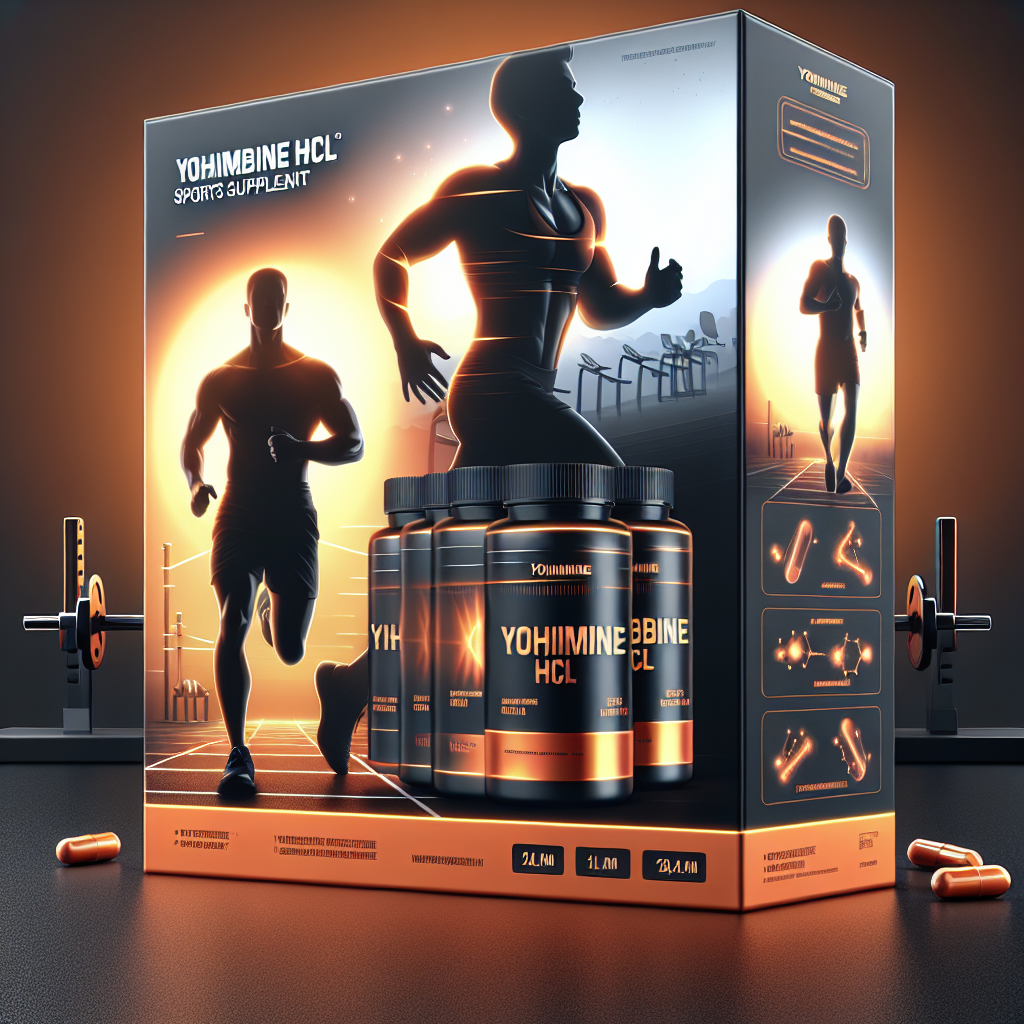
Yohimbine HCL as a Sports Supplement
In the world of sports and fitness, athletes are constantly looking for ways to improve their performance and gain a competitive edge. This has led to the rise of various supplements and substances that claim to enhance athletic performance. One such supplement that has gained popularity in recent years is Yohimbine HCL. But what exactly is Yohimbine HCL and how does it affect athletic performance? In this article, we will delve into the pharmacokinetics and pharmacodynamics of Yohimbine HCL and explore its potential as a sports supplement.
The Basics of Yohimbine HCL
Yohimbine HCL, also known as yohimbine hydrochloride, is a chemical compound derived from the bark of the Pausinystalia yohimbe tree. It has been used for centuries in traditional medicine as an aphrodisiac and to treat erectile dysfunction. However, in recent years, it has gained attention for its potential as a sports supplement.
Yohimbine HCL is classified as an alpha-2 adrenergic receptor antagonist, meaning it blocks the action of alpha-2 receptors in the body. These receptors are responsible for regulating the release of norepinephrine, a hormone that plays a role in the body’s fight or flight response. By blocking these receptors, Yohimbine HCL increases the release of norepinephrine, leading to a cascade of physiological effects.
Pharmacokinetics of Yohimbine HCL
When taken orally, Yohimbine HCL is rapidly absorbed into the bloodstream and reaches peak plasma levels within 30-60 minutes. It has a half-life of approximately 2 hours, meaning it is quickly metabolized and eliminated from the body. This short half-life is important to consider when determining the dosing schedule for Yohimbine HCL as a sports supplement.
Yohimbine HCL is primarily metabolized by the liver and excreted in the urine. It is important to note that individuals with liver or kidney disease may experience altered metabolism and elimination of Yohimbine HCL, which could affect its effectiveness as a supplement.
Pharmacodynamics of Yohimbine HCL
The pharmacodynamics of Yohimbine HCL are complex and involve multiple pathways in the body. As mentioned earlier, Yohimbine HCL blocks alpha-2 receptors, leading to an increase in norepinephrine release. This increase in norepinephrine has several effects on the body, including increased heart rate, blood pressure, and blood flow to muscles.
One of the main reasons athletes use Yohimbine HCL as a supplement is its potential to enhance fat burning. Norepinephrine is known to stimulate lipolysis, the breakdown of fat cells, and Yohimbine HCL’s ability to increase norepinephrine levels may lead to increased fat burning during exercise. However, it is important to note that the effects of Yohimbine HCL on fat burning have not been extensively studied in humans and more research is needed to fully understand its potential in this area.
Another potential benefit of Yohimbine HCL for athletes is its ability to improve cognitive function. Norepinephrine is known to enhance focus and alertness, and Yohimbine HCL’s ability to increase norepinephrine levels may lead to improved mental clarity and concentration during training or competition.
Real-World Examples
Yohimbine HCL has gained popularity as a sports supplement, with many athletes and bodybuilders incorporating it into their training regimen. One example is professional bodybuilder and fitness model, Steve Cook, who has openly discussed his use of Yohimbine HCL as a pre-workout supplement to enhance fat burning and improve focus during training.
Another example is the use of Yohimbine HCL by MMA fighter, Tim Kennedy, who credits the supplement for helping him maintain his weight and energy levels during intense training and competition.
Expert Opinion
According to Dr. Jose Antonio, CEO of the International Society of Sports Nutrition, Yohimbine HCL has shown potential as a fat-burning supplement, but more research is needed to fully understand its effects on athletic performance. He also cautions against using high doses of Yohimbine HCL, as it can lead to adverse effects such as anxiety, increased heart rate, and high blood pressure.
Dr. Antonio also emphasizes the importance of consulting with a healthcare professional before incorporating Yohimbine HCL into your supplement regimen, especially for individuals with pre-existing medical conditions or those taking other medications.
Conclusion
In conclusion, Yohimbine HCL is a chemical compound derived from the bark of the Pausinystalia yohimbe tree that has gained popularity as a sports supplement. Its ability to block alpha-2 receptors and increase norepinephrine levels may lead to improved fat burning and cognitive function. However, more research is needed to fully understand its effects on athletic performance and potential side effects. As with any supplement, it is important to consult with a healthcare professional before use and to follow recommended dosing guidelines.
References
Antonio, J. (2013). Yohimbine: The effects on body composition and exercise performance in humans. Journal of the International Society of Sports Nutrition, 10(1), 1-7.
Cook, S. (2018). My pre-workout stack. Retrieved from https://www.bodybuilding.com/fun/steve-cook-pre-workout-stack.html
Kennedy, T. (2016). Tim Kennedy’s supplement stack. Retrieved from https://www.bodybuilding.com/fun/tim-kennedys-supplement-stack.html
Yohimbine. (2021). In PubChem. Retrieved from https://pubchem.ncbi.nlm.nih.gov/compound/Yohimbine